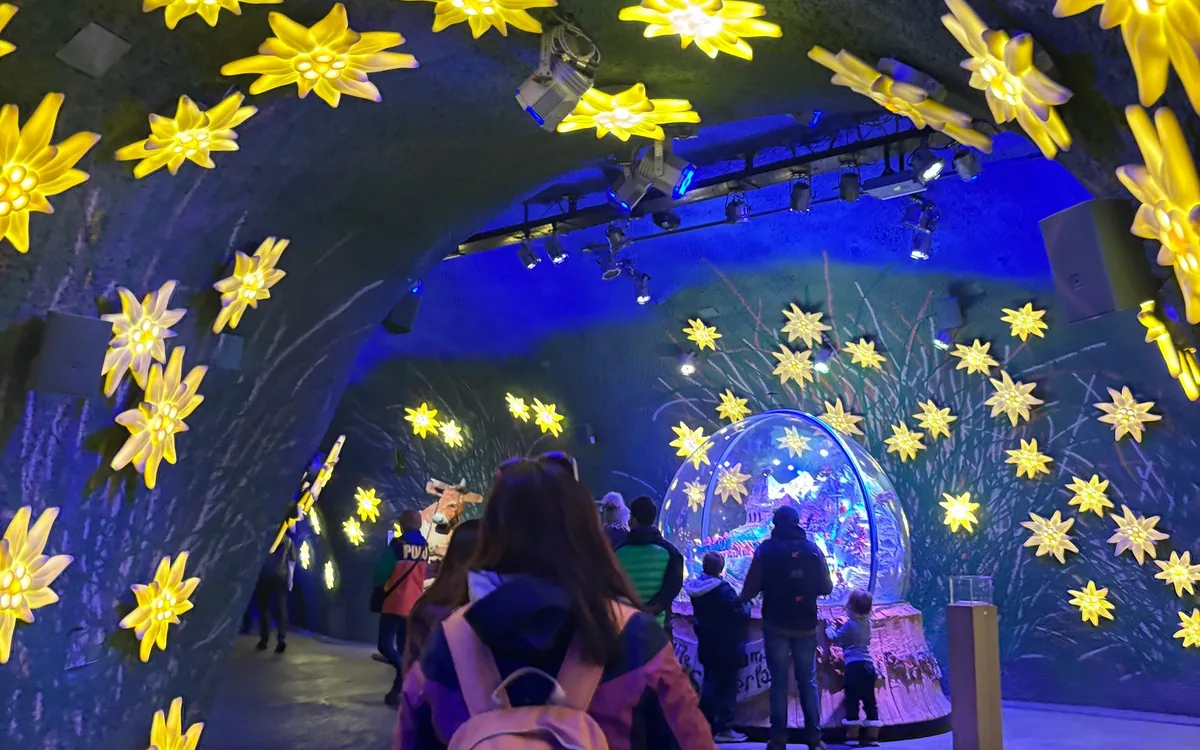
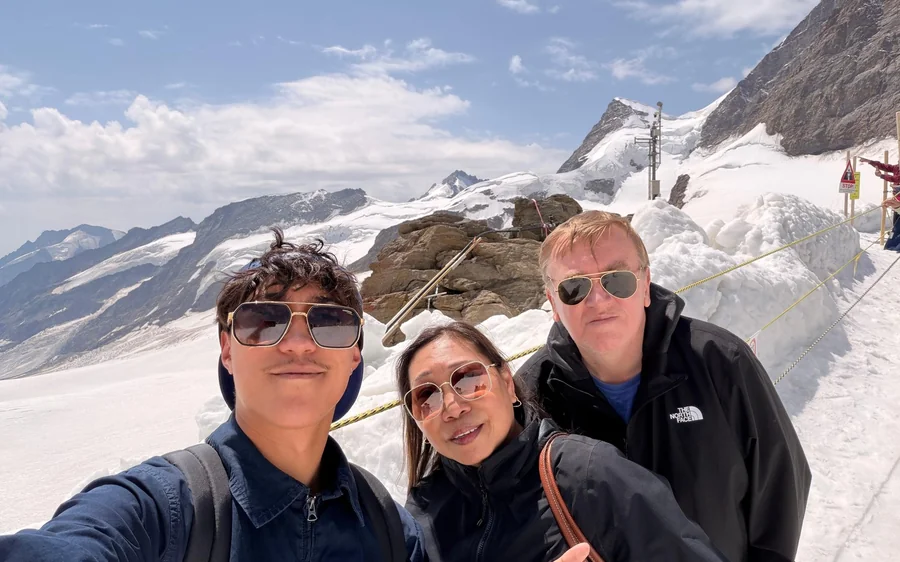
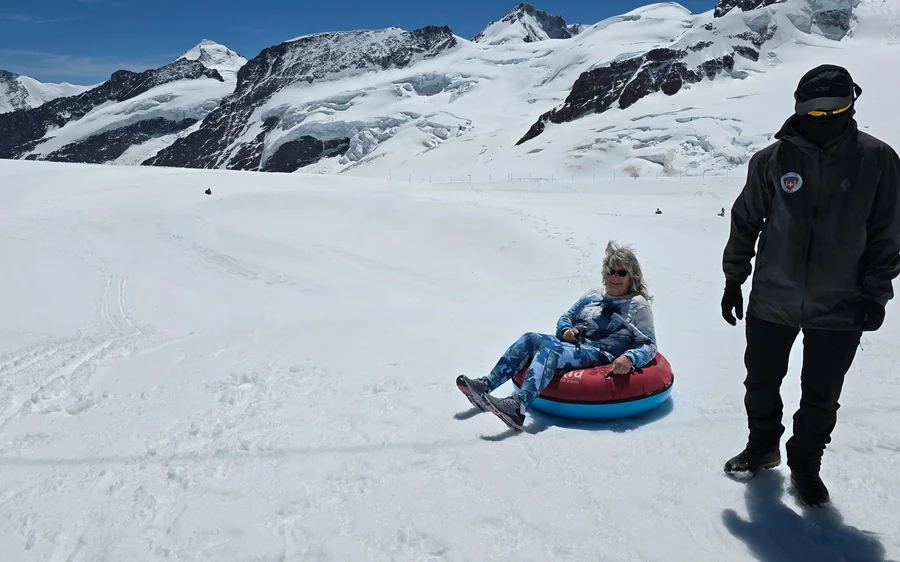
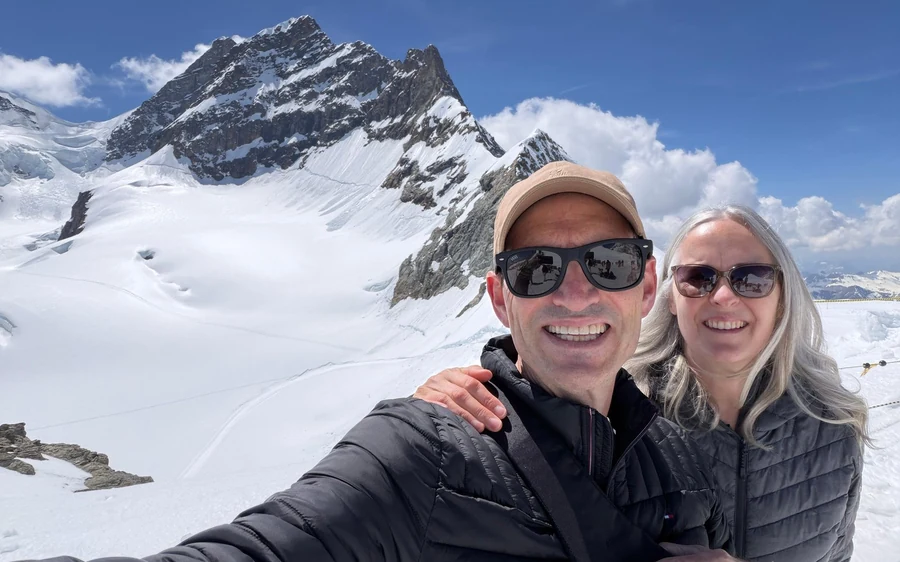
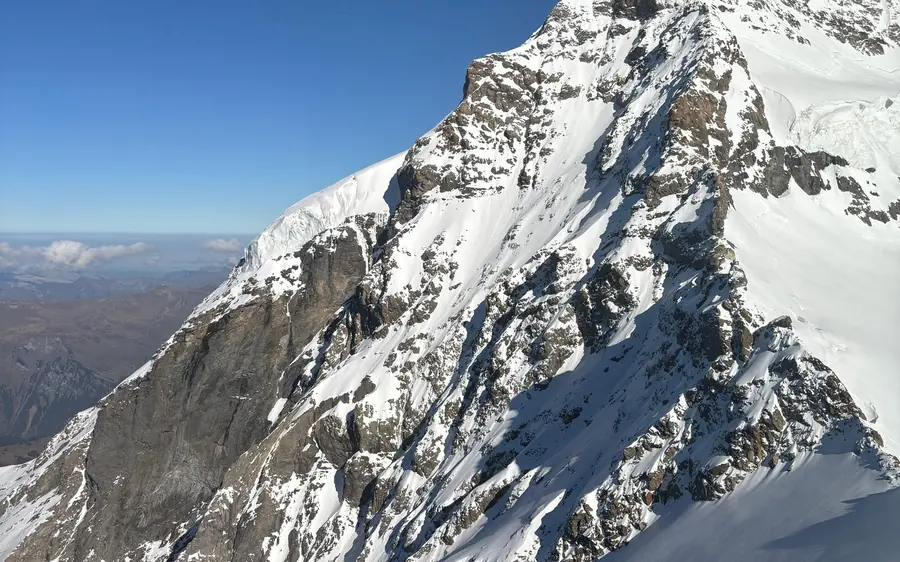
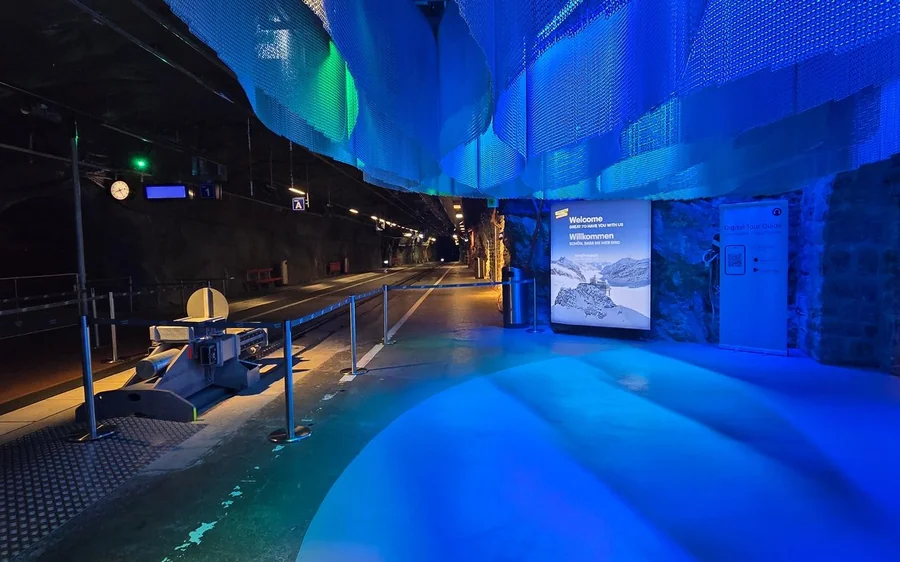
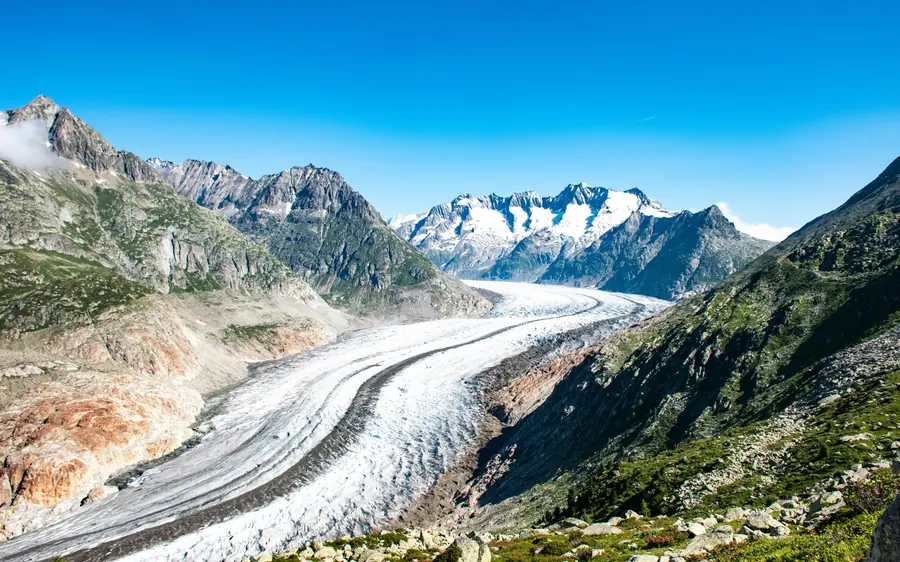
Most seasonal guides to a mountain are really about snow: when it arrives, when it melts, what you can do in between. That guide cannot be written about Jungfraujoch, and pretending otherwise is how people end up disappointed. The station sits at 3,454 metres inside a glacier world, and the operators say so plainly on the ticket listings — ice and snow year round, at the highest train station in Europe. The Ice Palace is carved into ice in August exactly as it is in January. The Aletsch Glacier does not go away in summer.
So what does change? Four things, and they are all about your day rather than the mountain.
Daylight. This is the big one, and it is the reason the same trip feels completely different in June and in December. The thirteen trips on this site run from six hours to thirteen. A six-hour day out of Interlaken on $335 fits inside the light in any month of the year. A thirteen-hour day out of Geneva on $418 does not: in midwinter both ends of it happen in the dark, and a good part of what you paid for on that listing is the bus journey through the Bernese Oberland with a driver-guide, which is worth rather less through a black window.
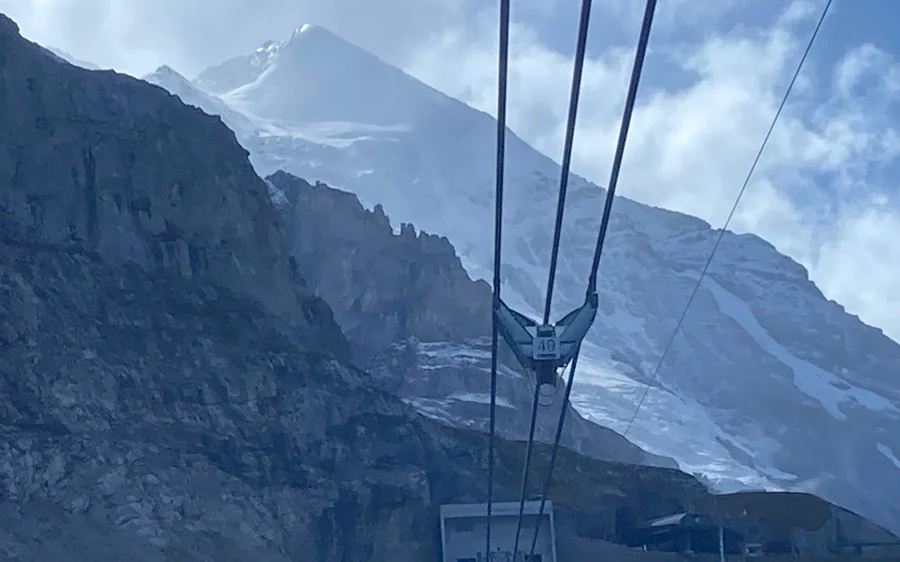
Cloud. Jungfraujoch weather is the one thing no listing forecasts, and the listings are careful about it, so we are too. $340 grants access to the Alpine Sensation, the Sphinx Observation Terrace, the Plateau and the Ice Palace — and then writes “weather permitting”. $418 goes further and publishes what happens if the mountain is closed on your date: a refund applies to the Jungfraujoch ticket portion, while the transport part of the fare does not come back. Nobody publishes a month-by-month cloud table, so we will not invent one. What we can say is that the risk is real in every month, which is an argument for a flexible booking rather than for a particular season.
Company. Three of the thirteen listings carry the Bestseller label and five carry skip the line, which tells you these are busy trains rather than quiet ones. Visitor numbers are not published by month, so the only honest statement is a structural one: the season with the longest daylight is the season in which the largest number of departure cities are practical, and that is the season in which the summit station is fullest.
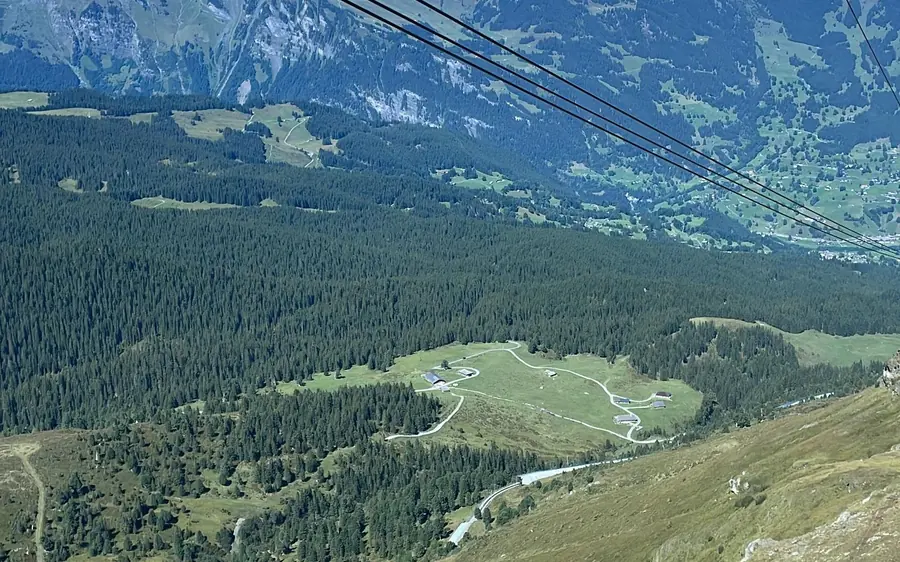
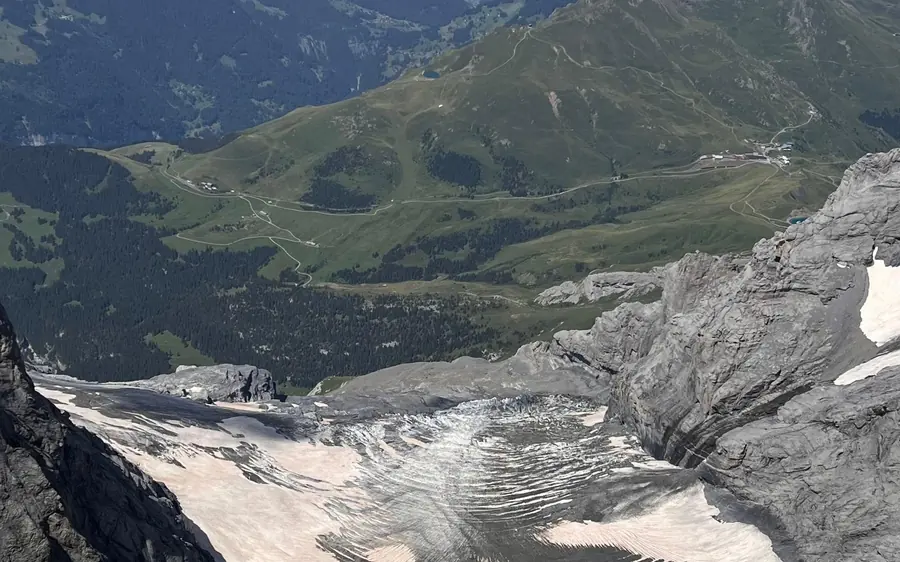
Where you start. This is the lever almost nobody pulls. The same mountain is sold from seven cities, and in a short-daylight month the sensible move is not to cancel the trip but to start closer to it — from Lauterbrunnen, from Interlaken, from Grindelwald rather than from Geneva.